 APSR2026 logo - v07_final_357389.png)

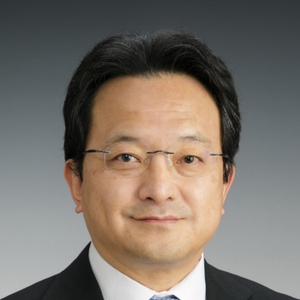
Yasuhiko Nishioka Japan
Education:
1982-1984 Premedical Course, Tokushima University Faculty of Medicine, Tokushima, Japan
1984-1988 Medical Course, Tokushima University Faculty of Medicine, Tokushima, Japan
1988 M.D., Tokushima University and Medical License 1989-1993 Graduate School, Tokushima University Faculty of Medicine
1993 Ph.D. in medical science, Tokushima University
Position:
1993-1995 Resident, Third Department of Internal Medicine, University of Tokushima School of Medicine
1995-1999 Research Associate, Third Department of Internal Medicine, University of Tokushima School of Medicine
1996-1998 Research Fellow, Departments of Surgery and Molecular Genetics and Biochemistry, Pittsburgh University, PA, U.S.A.
1999-2002 Assistant Professor, Third Department of Internal Medicine, University of Tokushima School of Medicine
2002-2004 Assistant Professor, Department of Internal Medicine and Molecular Therapeutics, University of Tokushima School of Medicine
2004-2007 Assistant Professor, Department of Internal Medicine and Molecular Therapeutics, Institute of Health Biosciences, University of Tokushima Graduate School
2007-2008 Associate Professor, Department of Internal Medicine and Molecular Therapeutics, Institute of Health Biosciences, University of Tokushima Graduate School
2008-2011 Associate Professor, Department of Respiratory Medicine and Rheumatology, Institute of Health Biosciences, University of Tokushima Graduate School
2008 July-Oct Visiting associate professor, Department of Cancer Biology, The University of Texas M. D. Anderson Cancer Center, TX, U.S.A.
2011-2014 Professor and Chairman, Department of Respiratory Medicine and Rheumatology, Institute of Health Biosciences, University of Tokushima Graduate School
2015-2016 Professor and Chairman, Department of Respiratory Medicine and Rheumatology, Institute of Biomedical Sciences, Tokushima University Graduate School
2016-present Professor and Chairman, Department of Respiratory Medicine and Rheumatology, Graduate School of Biomedical Sciences, Tokushima University
2019-present Professor and Chairman, Department of Community Medicine for Rheumatology, Graduate School of Biomedical Sciences, Tokushima University
2019-2022 Vice director of Tokushima University Hospital
2022-2024 Dean, Graduate School of Medicine, Tokushima University
Vice-Dean, Graduate School of Biomedical Sciences, Tokushima University
Dean, Faculty of Medicine, Tokushima University
2026-present Dean, Graduate School of Biomedical Sciences, Tokushima University
Vice Director for Regional Collaboration, Tokushima University
Job Title
Professor and Chairman
Faculty / Department / Division
Department of Respiratory Medicine and Rheumatology, Graduate School of Biomedical Sciences
Institution / Organisation
Tokushima University
20 November 2026, Friday
| Time | Session |
|---|---|
|
09:30
11:00
|
Ballroom 4, Lower Ground Floor
|
21 November 2026, Saturday
| Time | Session |
|---|---|
|
09:00
09:30
|
Translational Research on the Development of Antifibrotic Drugs for Pulmonary Fibrosis and Lung Cancer
Ballroom 3, Lower Ground Floor
|