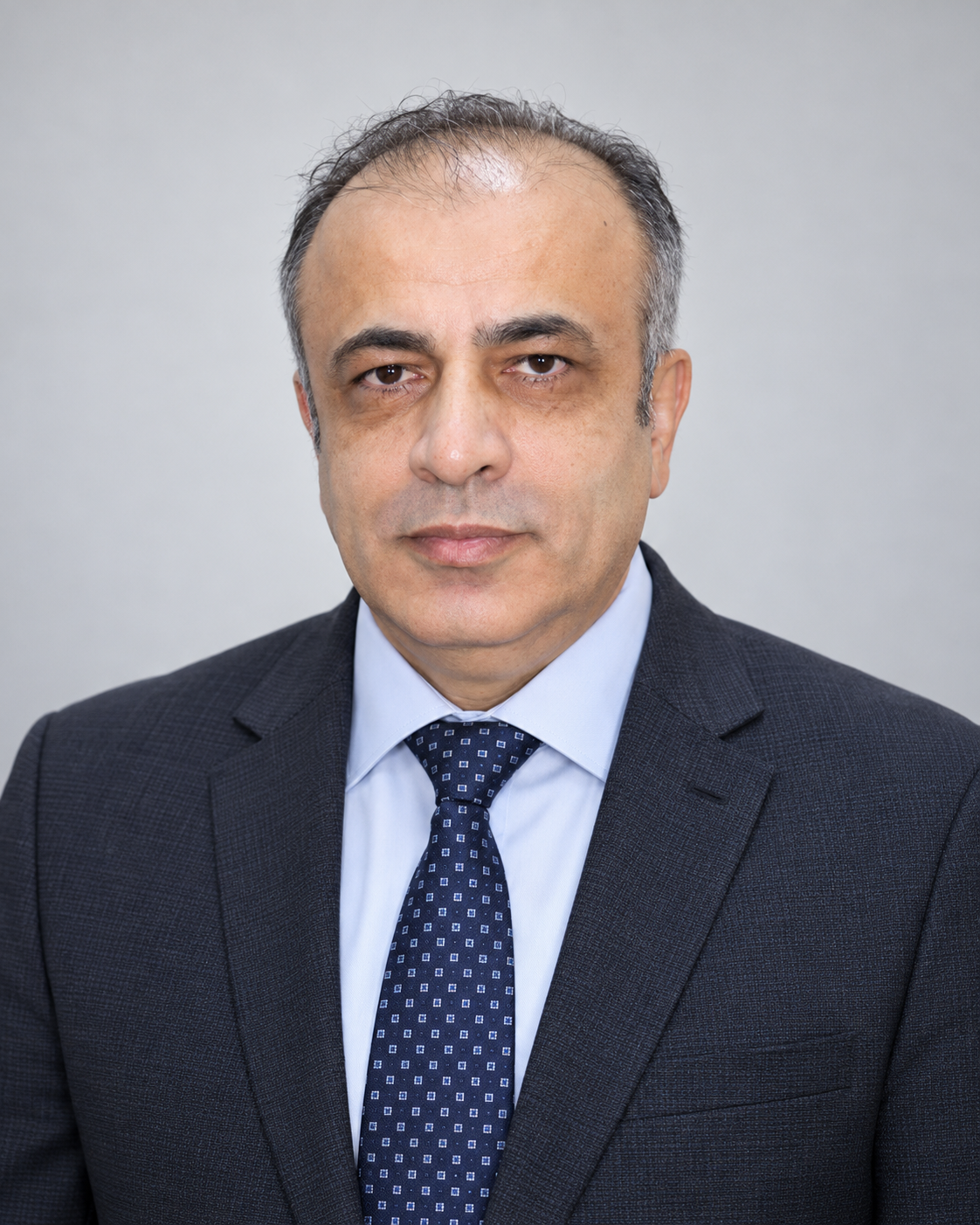
Metin Akgün Turkiye

Metin Akgün is Professor of Pulmonary Diseases at Ağrı İbrahim Çeçen University, Türkiye. His research focuses on occupational and environmental lung diseases, particularly silicosis and other pneumoconioses, as well as COPD and respiratory epidemiology. He serves as Editor-in-Chief of Thoracic Research and Practice and Chair of the Turkish Thoracic Society’s Artificial Intelligence and Digital Health Special Committee. Since 2015, he has been a faculty member of the American Thoracic Society’s (ATS) MECOR (Methods in Epidemiologic, Clinical and Operations Research) programme, contributing to research training and mentorship. He is an active member of professional groups within ATS, the European Respiratory Society (ERS), and the Turkish Thoracic Society (TTS), and previously served as Türkiye’s ERS National Delegate. He has authored over 250 publications indexed in Web of Science.
Job Title
Professor of Pulmonary Diseases
Faculty / Department / Division
Department of Pulmonary Diseases
Institution / Organisation
Agri Ibrahim Cecen University

20 November 2026, Friday

Time Session
11:00
12:00
Irfhan Ali Hyder Ali Chairperson Malaysia
Jun-Pyo Myong Chairperson Republic of Korea
  • Metin Akgün Speaker Turkiye
  • Jun-Pyo Myong Speaker Republic of Korea
    Background: Pneumoconiosis may progress as progressive pulmonary fibrosis (PPF), yet evidence for nintedanib in this population is limited. We describe six treated patients and barriers to access under Korea's workers' compensation system. Methods: We retrospectively reviewed six patients with pneumoconiosis or asbestosis who initiated nintedanib at a tertiary hospital between January 2025 and June 2026. Serial forced vital capacity (FVC), high-resolution computed tomography (HRCT), respiratory symptoms, and serum KL-6 were assessed. Results: All patients were men aged 64–88 years; five had dust-related pneumoconiosis and one had environmental asbestosis. Each showed at least two indicators of progression: FVC decline, radiological worsening, or worsening symptoms. Before treatment, five patients had relative FVC declines of 10.7–22.6%; one had gradual long-term decline with HRCT progression. After initiation, three reported symptomatic improvement. Of four patients with follow-up spirometry, two had relatively stable FVC and two had further declines. KL-6 decreased in two patients (1,191 to 869 U/mL; 546 to 451 U/mL). Post-treatment spirometry was unavailable for two patients. Two aftercare patients required case-by-case review for reimbursement. Conclusions: Nintedanib use was accompanied by symptomatic improvement or FVC stabilization in some patients with pneumoconiosis-associated PPF. Small sample size, limited follow-up, and lack of controls prevent causal inference. Reimbursement criteria for pneumoconiosis aftercare warrant revision to improve access to antifibrotic therapy.
  • Siti Munira Yasin Speaker Malaysia
    Occupational lung diseases are largely preventable, yet many cases in Malaysia remain undetected and under-reported. One of the main challenges is recognising the link between workplace exposures and respiratory symptoms, particularly when diseases develop gradually over many years. This presentation discusses the current burden of occupational lung diseases in Malaysia, common workplace exposures, approaches to diagnosis, preventive measures and relevant occupational health legislation. Findings from the National Occupational Disease Prevention Programme (NODiP), which screened 116,939 workers across seven critical industries, provide insights into the burden of suspected occupational respiratory diseases beyond routine notification data. The presentation also highlights how digital screening, workplace hazard assessment and emerging technologies, including artificial intelligence, could improve early detection and surveillance. Moving forward, closer collaboration between respiratory physicians, occupational health practitioners, employers and regulatory authorities is needed to identify high-risk workers, strengthen workplace interventions and prevent occupational lung diseases before irreversible damage occurs.
  • Q&A
Ballroom 2, Lower Ground Floor
16:30
18:00