 APSR2026 logo - v07_final_357389.png)

Yoshinori Hasegawa Japan
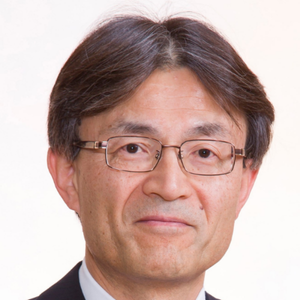
Yoshinori Hasegawa, M.D. & Ph.D., FAPSR
- Professor and Advisor to the President, Nagoya University of Arts and Sciences
- Emeritus President, National Hospital Organization, Nagoya Medical Center
- Emeritus Professor, Nagoya University Graduate School of Medicine.
- Program Officer of Strategic Center of Biomedical Advanced Vaccine Research and Development for Preparedness and Response (SCARDA), Japan Initiative for World-leading Vaccine Research and Development Centers, Japan Agency for Medical Research and Development
- President, Asian Pacific Society of Respirology (APSR)
- 1980 M.D., University of Tokushima
- 1983-1987 Ph.D., Postgraduate School, Nagoya University
- 1987-1989 Research Fellow, Dept. Microbiology and Immunology, UCLA
- 2007-2019 Professor of Medicine, Chairman of Department Respiratory Medicine, Nagoya University
- 2012-2017 Vice Dean, Nagoya University Graduate School of Medicine
- 2013-2016 Vice President, Nagoya University Hospital
- 2018-2020 President, Japanese Respiratory Society
- 2019-2024 Board of Directors, National Hospital Organization:President, National Hospital Organization, Nagoya Medical Center
- 2023-2024 Secretary General, APSR
- 2024-2025 President Elect, APSR
- 2025- Professor and Advisor to the President, Nagoya University of Arts and Sciences
- 2025- President, APSR
Job Title
President
Faculty / Department / Division
Nursing
Institution / Organisation
Asian Pacific Society of Respirology
20 November 2026, Friday
| Time | Session |
|---|---|
|
08:00
08:30
|
APSR’s Leadership in Advancing Respiratory Medicine and Sciences in Asia
Established in 1986 to advance respiratory medicine and combat respiratory diseases in the Asia-Pacific, the Asian Pacific Society of Respirology (APSR) has grown into a major international society and a Founding Member of the Forum of International Respiratory Societies (FIRS). The APSR’s mission is to advance and disseminate knowledge of the respiratory system in health and disease across the Asia-Pacific and globally, aiming to bridge regional healthcare disparities and elevate research, education, and clinical practice. Guided by its vision to reshape the future of respiratory medicine through innovative, patient-centered, equitable, and sustainable care, the Society promotes collaboration among researchers and clinicians to provide optimal respiratory care tailored to the region’s diverse healthcare infrastructures and disease burdens. This lecture reviews the past year's achievements and key initiatives across five core pillars: hosting the annual APSR Congress, publishing official journals (Respirology and Respirology Case Reports), nurturing early-career researchers through education and fellowships, leading Assembly and Section activities, and advancing global advocacy and international partnerships.
A defining feature of the APSR is its "en bloc" society membership system. By integrating national respiratory societies, this strategy driven rapid expansion, rendering the APSR the largest respiratory society in the region. This sheer scale grants the Society strong leverage in international negotiations and policy advocacy alongside global bodies such as the WHO, ATS, and ERS. The en bloc membership system has expanded the APSR's reach and strengthened collaboration among respiratory societies across the Asia-Pacific. Building on this foundation, the APSR aims to encourage greater individual member participation and raise awareness of benefits such as journal access, educational programs, and fellowships. Closer partnerships with national and regional societies, together with clearer communication of the APSR's achievements, will further strengthen members' sense of connection and shared purpose. These efforts will enhance membership value and support the Society's sustainable growth.
Ballroom 3, Lower Ground Floor
|
21 November 2026, Saturday
| Time | Session |
|---|---|
|
09:30
10:30
|
Ballroom 3, Lower Ground Floor
|