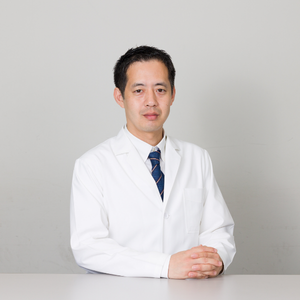
Namkoong Ho

Namkoong Ho
Prof. Dr. Ho Namkoong is a Professor in the Department of Infectious Diseases at Keio University School of Medicine, Japan. He specializes in the clinical management, molecular epidemiology, and host genetics of nontuberculous mycobacterial (NTM) lung disease. His research primarily focuses on host susceptibility genes, seeking to understand the underlying biological factors that cause certain individuals to develop severe pulmonary infections. Dr. Namkoong has led several landmark studies, including the clarification of pulmonary NTM epidemiology in Japan(Namkoong H, et al. Emerg Infect Dis. 2016) and the identification of CHP2 as the world’s first disease susceptibility gene for pulmonary M. avium complex (MAC) disease via genome-wide association studies (GWAS) (Namkoong H, et al. Eur Respir J. 2021). His expertise in host genetics also extended to the global pandemic response, where he identified DOCK2 as an Asia-specific susceptibility gene for severe COVID-19 (Namkoong H, et al. Nature. 2022). Currently, his research interests include the biological functional analysis of susceptibility genes and the global prevalence of NTM. He is particularly focused on addressing the misdiagnosis of NTM as multidrug-resistant tuberculosis in TB-endemic regions such as Africa. Dr. Namkoong serves on several international guideline committees and is dedicated to contributing to global health through his expertise in infectious diseases.
Job Title
Professor
Faculty / Department / Division
Department of Infectious Diseases
Institution / Organisation
Keio University School of Medicine

21 November 2026, Saturday

Time Session
14:00
15:30
Hsing-Chen Tsai Chairperson Taiwan
  • Arata Azuma Speaker Japan
  • Namkoong Ho Speaker Japan
    "Understanding host genetic susceptibility is crucial for unraveling the pathogenesis of infectious pulmonary diseases and developing personalized clinical strategies. In the first part of this presentation, we focus on severe COVID-19. Through a genome-wide association study (GWAS) in a Japanese cohort, we identified a risk variant at 5q35 (rs60200309-A) near DOCK2, which is associated with severe COVID-19 in patients under 65 years of age. Single-cell RNA sequencing and functional analyses revealed cell-type-specific downregulation of DOCK2 in non-classical monocytes, leading to impaired macrophage recruitment and dysregulated type I interferon responses. Importantly, this risk allele is prevalent in East Asians but rare in Europeans, underscoring the critical need for genetic studies in non-European populations(Namkoong, et al. Nature 2022.). In the second part, we transition to nontuberculous mycobacterial pulmonary disease (NTM-PD). By expanding our genomic investigation to multinational cohorts across Korea, Japan, and Europe, we identified and validated three susceptibility loci (IL1Rs, PDE8B, and PRKCB). Furthermore, Mendelian randomization analysis demonstrated a significant negative causal relationship between body mass index (BMI) and NTM-PD susceptibility(Park, et al. Am J Respir Crit Care Med . 2025). Together, these findings highlight that establishing multinational and multi-ethnic cohorts is indispensable for precision respirology, as it allows us to uncover both population-specific risk variants and globally conserved host mechanisms in respiratory infections."
  • Koji Sakamoto Speaker Japan
    Acute lung injury (ALI), including acute respiratory distress syndrome (ARDS), is a life-threatening syndrome triggered by systemic insults such as infection or trauma. It is characterized by intense pulmonary inflammation and increased vascular permeability that disrupt gas exchange. Despite decades of investigation, therapeutic strategies targeting aberrantly activated inflammatory cells, including corticosteroids, have produced inconsistent clinical benefits, underscoring the need for new mechanistic insights and therapeutic targets. Recent advances in innate immunology have begun to reveal pathways that regulate the dysregulated activation of phagocytes such as neutrophils and macrophages, highlighting previously unrecognized drivers of inflammatory tissue injury. In this lecture, I will discuss emerging mechanisms that amplify lung inflammation, with particular emphasis on inflammatory feedback loops between neutrophils and macrophages and on DNA-triggered inflammatory signaling pathways as potential drivers of organ injury, integrating insights from our recent studies.
  • Q&A
Ballroom 1, Lower Ground Floor